
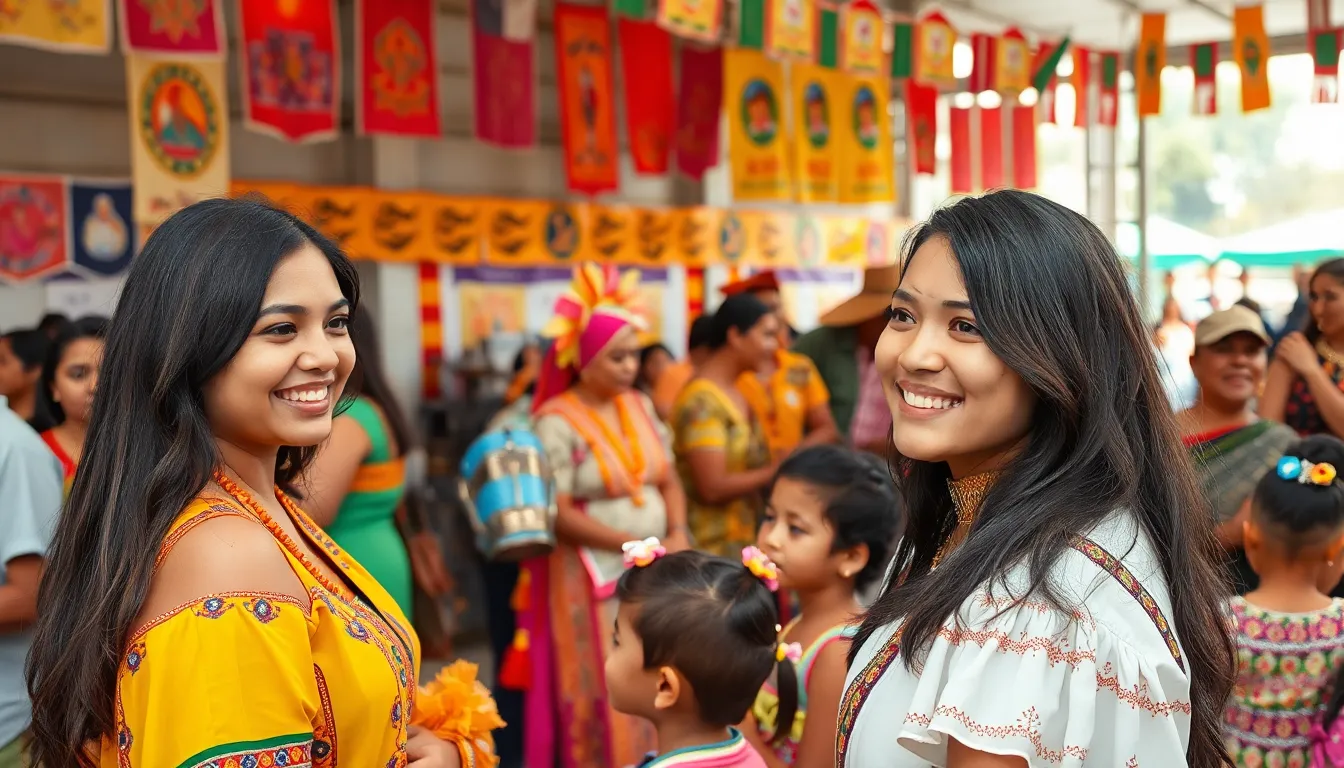
In a world where cultures collide and creativity reigns, cultural management emerges as the unsung hero. It’s the art of juggling diverse traditions, values, and practices while ensuring everyone plays nice in the sandbox. Imagine a circus where clowns, acrobats, and lions coexist—cultural management is the ringmaster keeping the show on the road.
Understanding Cultural Management
Cultural management involves balancing various cultural elements to foster collaboration and understanding. This practice plays a crucial role in society, especially in today’s diverse environments.
Definition and Scope
Cultural management encompasses planning, organizing, and directing activities related to culture. Individuals within this field work with various cultural assets, such as artworks, historical sites, and festivals. It incorporates strategies that promote cultural exchange and dialogue among different communities. Cultural managers must also address issues like cultural policy, sustainability, and community engagement. Their scope extends across sectors, including arts, education, and heritage organizations, making it a multifaceted discipline.
Importance in Today’s Society
Cultural management fosters unity in diverse communities. This discipline enhances social cohesion by encouraging cultural exchange and understanding. Cultural managers play a pivotal role in addressing cultural conflicts, enabling societies to navigate complex social landscapes. They advocate for equitable access to cultural resources, ensuring opportunities for all. In an era of globalization, cultural management promotes the preservation of local heritage while embracing multiculturalism. By supporting cultural initiatives, individuals contribute to community development and empower voices within society.
Key Concepts in Cultural Management

Cultural management involves various essential concepts that underpin its practices. This section explores significant elements like cultural policy and cultural organizations.
Cultural Policy
Cultural policy defines the framework for managing culture at local, national, and international levels. It provides guidelines for funding, promoting, and supporting cultural initiatives. Policymakers establish regulations to foster arts and heritage, ensuring equitable access to cultural resources. Effective cultural policies prioritize inclusivity, driving engagement across different communities. By addressing issues like cultural diversity, they promote sustainability within the arts. Policymakers often collaborate with cultural organizations to create strategic plans that enhance community development. Understanding the implications of cultural policy is essential for cultural managers who navigate complex cultural landscapes.
Cultural Organizations
Cultural organizations play a crucial role in the implementation of cultural management strategies. These entities encompass a wide range of institutions, including museums, galleries, and community arts centers. They provide platforms for artistic expression, education, and cultural exchange. Staff within these organizations work to develop programs that cater to diverse audiences and promote cultural participation. Additionally, cultural organizations prioritize collaboration with local communities, fostering partnerships that enrich the cultural tapestry. Engagement activities, events, and exhibitions organized by these organizations contribute significantly to regional development. Recognizing the value of cultural organizations can enhance effective cultural management practices.
Challenges in Cultural Management
Cultural management faces several challenges that can impact its effectiveness and sustainability. Addressing these issues requires strategic planning and continuous adaptation.
Funding and Resources
Limited funding poses a significant barrier for cultural managers. Many organizations rely on governmental and private sources for financial support. These funds often fluctuate, making long-term planning difficult. Cultural managers frequently compete for grants, which can limit innovation. Underfunded projects struggle to meet community needs, leading to decreased participation. Diverse revenue streams, such as sponsorships and partnerships, can enhance financial stability. Engaging community stakeholders can also help secure necessary resources. By fostering collaboration, cultural managers can create more resilient funding models.
Balancing Tradition and Innovation
Cultural managers encounter the challenge of preserving tradition while encouraging innovation. Many communities hold deep-rooted traditions that shape their identity. Embracing innovation can sometimes conflict with these values. Cultural managers must find ways to integrate new ideas while honoring established practices. They often facilitate dialogues to bridge generational gaps and differing perspectives. Encouraging collaboration among artists and community members promotes shared understanding. By blending traditional elements with contemporary practices, cultural managers can create dynamic cultural expressions. Striving for this balance fosters community engagement and promotes cultural evolution.
Strategies for Effective Cultural Management
Effective cultural management relies on well-defined strategies that enhance community involvement and build capacity within cultural organizations.
Community Engagement
Community engagement serves as a cornerstone of cultural management. Cultural managers actively involve local residents in decision-making processes and program development. Through inclusive initiatives, they create opportunities for dialogue that respects diverse perspectives. Engagement can include workshops, focus groups, and cultural festivals that allow voices from various backgrounds to be heard. These efforts strengthen community bonds and build trust. By fostering a sense of ownership, cultural managers empower individuals to contribute ideas and shape cultural programs that reflect the community’s unique identity.
Capacity Building
Capacity building focuses on developing the skills and resources of cultural organizations. Cultural managers assess organizational strengths and weaknesses while identifying areas for growth. Training programs enhance professional development across staff, volunteers, and community members. Grant writing workshops, marketing strategy sessions, and leadership training are examples of initiatives that increase operational efficiency. Managers encourage partnerships with educational institutions and non-profits, providing access to additional resources. As a result, organizations improve sustainability and adaptability in an ever-changing cultural landscape. These efforts help ensure that cultural organizations remain relevant and effective in serving their communities.
Future Trends in Cultural Management
Cultural management is evolving rapidly as new trends emerge, shaping how communities connect and interact. This section highlights key areas influencing the future of cultural management.
Digital Transformation
Digital transformation significantly alters cultural management strategies. Technologies like virtual reality and online platforms expand access to cultural experiences. Many organizations leverage social media to engage broader audiences, fostering community interaction. Enhanced data analytics allows cultural managers to understand audience preferences, shaping programs that resonate with diverse groups. Digital tools also facilitate remote collaborations, enabling artists to connect globally while maintaining local cultural expressions.
Globalization’s Impact
Globalization profoundly influences cultural management practices. Cultural managers navigate a landscape where global exchanges coexist with local traditions. Many communities experience increased cultural diversity, leading to rich dialogues between varying practices. This shift encourages managers to balance cultural preservation and innovation, ensuring local identities thrive amidst global influences. Cross-cultural collaborations often result in hybrid cultural expressions, enriching the overall cultural landscape. Understanding these dynamics is vital for fostering inclusivity and community participation in a rapidly globalizing world.
Cultural management stands at the intersection of tradition and innovation. It creates bridges between diverse communities while fostering understanding and collaboration. As society evolves through globalization and digital transformation, the role of cultural managers becomes increasingly vital. They not only preserve local heritage but also adapt to new cultural expressions that emerge in a connected world.
Emphasizing community engagement and capacity building ensures that cultural organizations remain resilient and responsive to changing needs. By leveraging technology and exploring diverse funding sources, cultural managers can navigate challenges while enhancing social cohesion. The future of cultural management is bright, driven by a commitment to inclusivity and sustainable practices that empower communities and celebrate their unique identities.

