Tampa, Florida, moves fast and not just in pace but in pressure. With year-round sunshine, dense commuter traffic, and a steady flow of visitors, the city’s roads are constantly active. For motorcyclists, that environment comes with serious risks. Hillsborough County alone recorded over 580 motorcycle crashes in a recent year, leading to dozens of fatalities and hundreds of injuries, while early 2025 data already shows hundreds more incidents unfolding on local roads. Statewide, Florida continues to rank among the most dangerous places for riders, with motorcycle deaths consistently among the highest in the nation.
Against this backdrop, a single ride can change everything in seconds. Motorcycle accidents in Tampa aren’t just frequent; they’re often severe, involving complex liability, high-impact injuries, and long recovery paths. That’s where legal guidance becomes critical. Understanding your rights, the claims process, and what steps to take next can make all the difference when the stakes are this high. If you’re navigating the aftermath of a crash, it’s important to visit this page to see how experienced legal support can help you move forward with clarity and confidence.
Table of Contents
ToggleCheck for Injuries
Safety must come first. Riders immediately need to do a self-assessment to check for pain, bleeding, and fractures. If movement is painful, staying perfectly still is key. This helps make sure that no further harm is done while waiting for emergency medical personnel. It then allows riders to see if anyone else involved needs urgent assistance, if it is safe to do so.
Move to a Safe Location
Remaining on the busy road exposes you to the possibility of additional crashes. As safely as possible, riders should attempt to get themselves and their motorcycle out of harm's way. This could be moving to the side of the road or another area of safety nearby. Never stand on the road waiting for assistance.
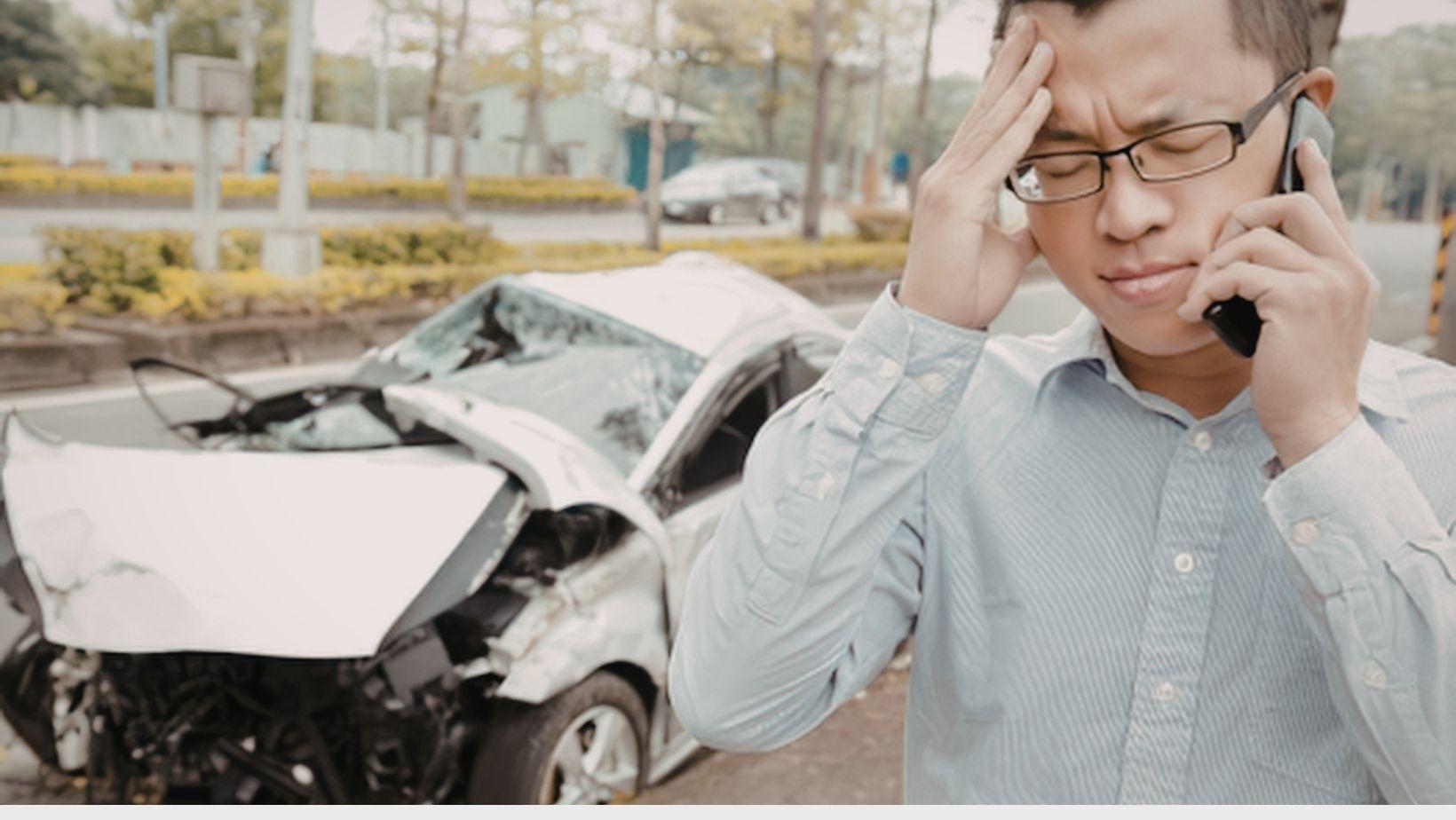
Call Emergency Services
Even in cases where the injury does not look serious, contacting emergency responders is a good idea. Not all injuries are visibly apparent. Logically, you will want to call for police and emergency medical services. They can attend to your medical needs and also prepare an official report, which will come in handy for both your insurance and, in some cases, a court of law.
Document the Scene
Collecting evidence later helps protect the best interests of the rider. It is beneficial to include photos of the damaged motorcycle, the area, and any apparent injuries. Wide shots and close-ups paint a larger image. It can be useful down the road to take note of things, like the weather, the layout of the road, etc.
Exchange Information
Accurate information exchange is vital. Riders need to get the names and contact information of other parties, as well as their insurance details. It can also pertain to listing license plate numbers and vehicle IDs. Collecting witness contact information can help support any future claims.
Avoid Admitting Fault
It is common to feel emotions running high after an accident. Don't try to assign blame at the scene. Stay calm. When you are answering another person or the police, it is wise to stick only to the facts. Things said in the heat of the moment can be taken out of context or weaponized against you later.
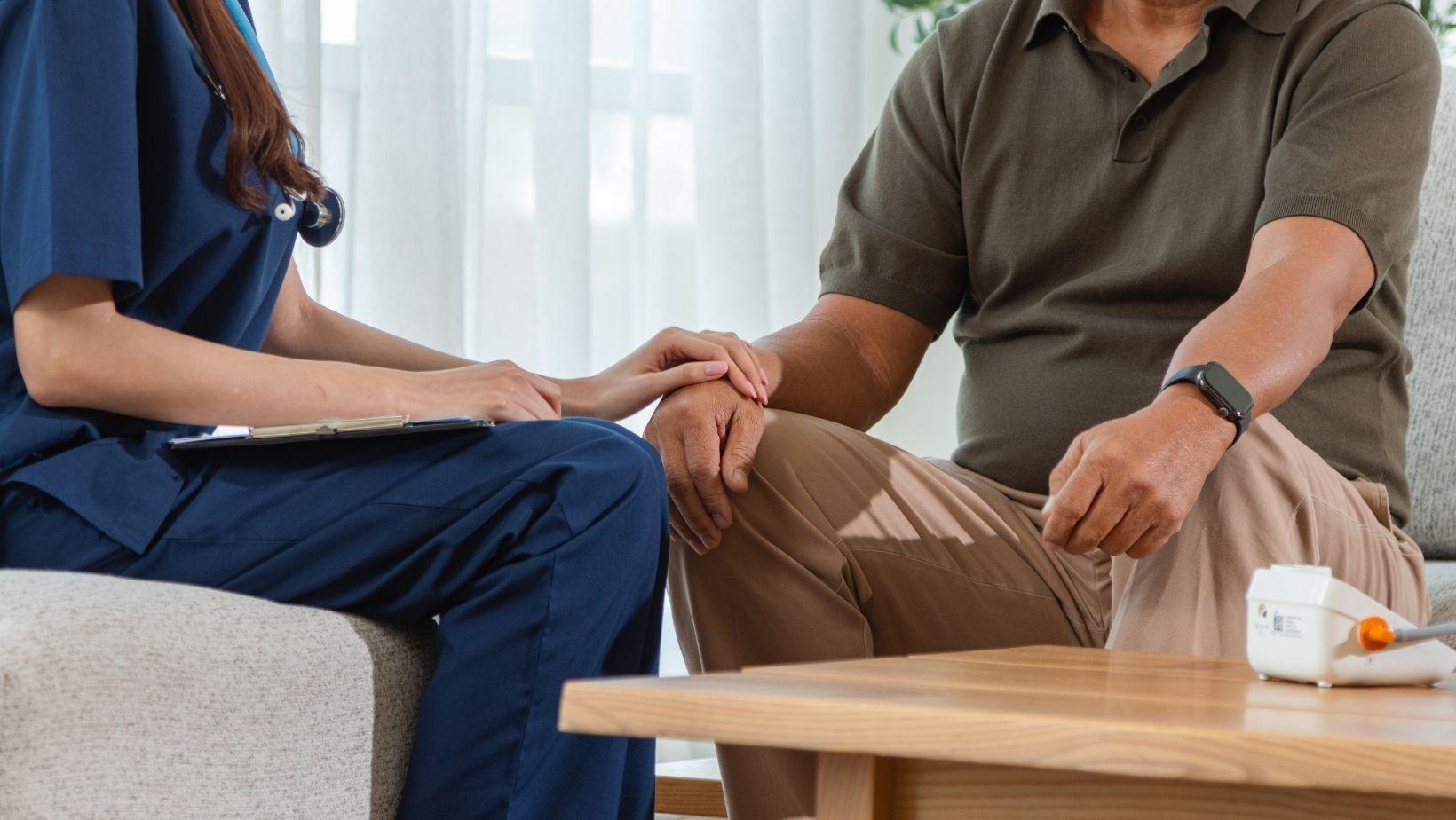
Seek Medical Attention
A course of treatment is always needed, even for minor injuries. Certain health problems, such as concussions or bleeding into the torso, may not present themselves until later on. Getting it checked promptly by a professional ensures it will be well-cared for. Besides, medical records also serve as a provision in case claims ensue later.
Report the Incident
You do need to let your insurance company know, and ASAP. Riders are expected to provide specifics of the accident and attach supporting documents. What happened is established by police reports, photographs, and witness statements. Reporting it in a timely manner can eliminate issues with processing claims.
Keep Detailed Records
Proper documentation allows for an easier recovery. There should be copies of medical records, repair estimates, and all correspondence with the parties involved that riders can keep. If memory fades even a bit, a written account of the crash date and major events can be helpful as a refresher.
Consult a Legal Professional
But when there are injuries or disputes, legal advice becomes unavoidable. A lawyer helps ensure that rights are still protected. They can help direct your next steps, review documents, and determine how much compensation or liability you may have in the case.
Focus on Recovery
After an accident, healing both physical and emotional matters a lot. All riders should listen to medical advice and take time to recover. Assistance from companions, family, or maybe professionals could encourage mental and emotional recovery. You stand a better chance of getting through if you take care of yourself.
Final Thoughts
A lot can be done in between a crash to prepare for what happens next. Being aware of these first steps maximizes the health, financial, and legal protections that can be put in place in those challenging moments. Riders will be more confident and clear on how to deal with the situation after a crash if they follow these steps.