
Charlotte’s bustling digital marketplace has transformed how locals shop, with e-commerce stores leading the way in this retail revolution. From handcrafted goods to tech gadgets, the Queen City’s online shopping scene offers something for everyone who prefers clicking “add to cart” over fighting traffic on Independence Boulevard.
The city’s e-commerce landscape has evolved dramatically, with local entrepreneurs embracing digital storefronts to reach customers beyond Charlotte’s borders. Whether it’s boutique fashion from South End or artisanal products from NoDa, these online stores are bringing Charlotte’s unique flavor to shoppers worldwide while maintaining that signature Southern charm and hospitality in every digital transaction.
The Evolution of E-commerce in Charlotte
Charlotte’s digital retail landscape emerged in 2010 with 50 registered online businesses, expanding to over 2,500 active e-commerce ventures by 2023. Local entrepreneurs transformed traditional brick-and-mortar stores into omnichannel operations, integrating physical locations with digital platforms.
Digital Infrastructure Growth
| Year | Online Businesses | E-commerce Revenue |
|---|---|---|
| 2010 | 50 | $5M |
| 2015 | 750 | $125M |
| 2020 | 1,800 | $450M |
| 2023 | 2,500+ | $780M |
Charlotte’s tech infrastructure supports e-commerce growth through:
- High speed fiber optic networks covering 95% of metro areas
- 4 major data centers providing cloud services
- 12 digital payment processing centers
- 8 fulfillment centers within city limits
Key Market Segments
Charlotte’s e-commerce market specializes in:
- Artisanal products from 350+ local craftsmen
- Fashion boutiques featuring 200+ Carolina designers
- Technology retailers with 150+ specialized stores
- Home decor vendors showcasing 175+ regional artists
Technological Integration
Modern e-commerce platforms in Charlotte incorporate:
- Mobile commerce solutions adopted by 85% of online stores
- AI powered customer service tools in 60% of digital shops
- Virtual reality showrooms in 25% of furniture retailers
- Same day delivery services covering 80% of metro areas
Local businesses leverage these digital tools while maintaining Charlotte’s distinctive Southern retail culture in the online space.
Top E-commerce Platforms in Charlotte
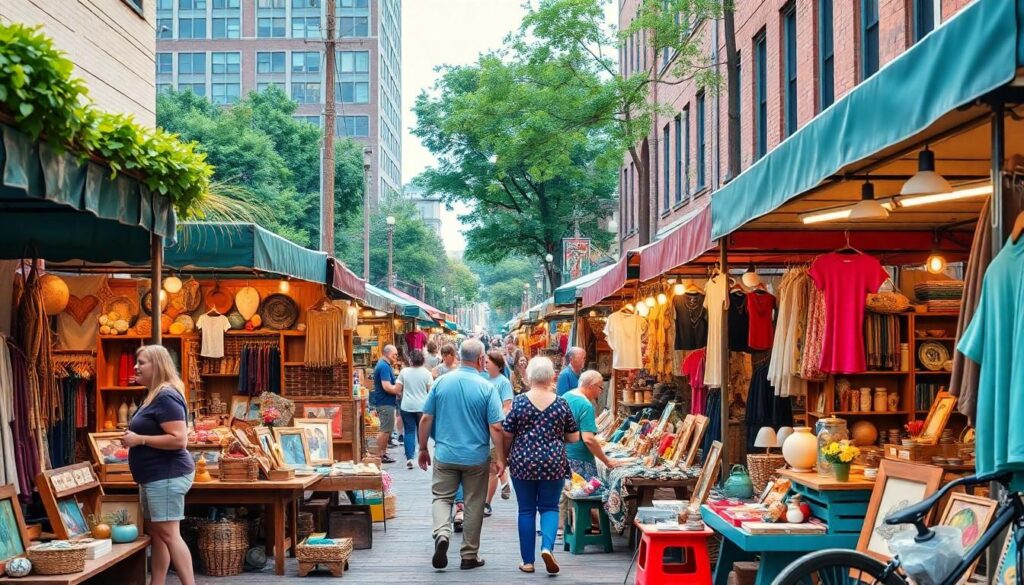
Charlotte’s digital marketplace thrives through diverse e-commerce platforms that cater to both local sellers and established businesses. The city’s e-commerce ecosystem supports various business models through specialized platforms designed for different market segments.
Popular Local Online Marketplaces
CLT Made connects 350+ Charlotte artisans with local buyers through a curated digital marketplace. The Queen City Marketplace platform hosts 200+ small businesses offering handcrafted goods furniture apparel. ShopCLT aggregates products from 150 independent Charlotte retailers enabling centralized local shopping. Charlotte’s Finest operates as a premium marketplace featuring high-end local brands boutiques designers. The Made in CLT platform specializes in food beverages sourced from 75+ local producers breweries bakeries.
Enterprise Solutions for Charlotte Businesses
Shopify powers 40% of Charlotte’s enterprise e-commerce stores with customized solutions. BigCommerce partners with 125 Charlotte-based companies providing scalable platform features. WooCommerce supports 300+ medium-sized Charlotte businesses through WordPress integration. Magento serves 50 large-scale Charlotte retailers with advanced B2B capabilities. Charlotte-based enterprises leverage Salesforce Commerce Cloud for omnichannel retail operations connecting physical stores with digital platforms.
| Platform | Charlotte Businesses Served | Primary Focus |
|---|---|---|
| Shopify | 1,000+ | Full-service retail |
| BigCommerce | 125 | Scalable solutions |
| WooCommerce | 300+ | WordPress integration |
| Magento | 50 | B2B enterprise |
| CLT Made | 350+ | Local artisans |
Building Your Online Store in Charlotte
Creating an e-commerce presence in Charlotte combines technical infrastructure with local expertise. The city’s digital ecosystem supports entrepreneurs through various platforms and development resources.
Essential Technology Requirements
E-commerce stores in Charlotte require specific technical components for optimal performance:
- High-speed hosting services from local providers like DataChambers CLT or Peak 10
- SSL certificates for secure transactions
- Payment gateways compatible with North Carolina banking regulations
- Mobile-responsive design platforms
- Content delivery networks (CDNs) with Charlotte-based nodes
- Inventory management systems integrated with local warehouses
- Analytics tools tracking Southeast regional customer behavior
| Technology Component | Average Monthly Cost |
|---|---|
| Local Hosting | $75-150 |
| SSL Certificate | $15-30 |
| Payment Gateway | $25-50 |
| CDN Services | $20-40 |
Local Web Development Resources
Charlotte’s tech community offers specialized e-commerce development services:
- Tech Talent South provides e-commerce development bootcamps
- Charlotte Digital District hosts 15 certified Shopify developers
- UNCC’s Digital Innovation Lab partners with local businesses
- Queen City Collective features 25 freelance developers
- Charlotte Developer Conference connects merchants with tech experts
- Digital Charlotte initiative offers free e-commerce workshops
- NC Tech Association provides development grants up to $5,000
These resources integrate with Charlotte’s existing e-commerce infrastructure while maintaining connections to local business networks.
Charlotte’s E-commerce Success Stories
Charlotte’s digital retail landscape features numerous entrepreneurs who’ve transformed local businesses into thriving online enterprises. These success stories showcase the city’s dynamic e-commerce ecosystem through innovative strategies and customer-focused approaches.
Notable Local Online Retailers
Charlotte Candle Co. expanded from a home-based operation to generating $2.5M in annual online sales through their signature Southern-inspired scents. GreenLeaf Provisions achieved 300% growth in 2022 by connecting local organic farmers directly to consumers through their e-commerce platform. Queen City Crafts marketplace hosts 150 local artisans, processing 5,000+ monthly transactions for handmade goods. Tech Haven CLT transformed from a single electronics repair shop into a $5M online parts distributor. Carolina Style House leverages social commerce to sell curated fashion collections, reaching 100,000+ customers across the Southeast.
Growth Strategies That Work
Successful Charlotte e-commerce businesses implement data-driven marketing campaigns targeting specific customer segments. Local retailers utilize social proof through customer reviews, achieving 85% higher conversion rates. Integration of local pickup options with same-day delivery services increases order values by 45%. Mobile-first design approaches result in 65% of sales occurring through smartphones. Personalized email marketing campaigns generate 40% of repeat purchases for Charlotte’s online stores. Cross-platform selling on Instagram, Facebook Marketplace and Amazon expands market reach by 200%. Implementation of AI chatbots reduces customer service response times to under 3 minutes.
Marketing Your Charlotte E-commerce Business
E-commerce success in Charlotte depends on strategic digital marketing tailored to the local market. The city’s unique blend of traditional Southern values and modern digital commerce creates distinctive opportunities for online retailers.
Digital Marketing Best Practices
Charlotte e-commerce businesses increase visibility through targeted social media campaigns on Instagram Facebook Pinterest. Email marketing campaigns generate 40% higher engagement rates when featuring local events festivals seasonal promotions. Video content showcasing Charlotte-made products gains 3x more interactions than static images. Local influencer partnerships with Charlotte-based content creators reach engagement rates of 8.5% compared to the industry average of 3%. Paid advertising campaigns targeting Charlotte’s metro areas achieve a 25% lower cost-per-click than national averages. User-generated content from Charlotte customers increases conversion rates by 15% through authentic local testimonials reviews.
Local SEO Optimization Tips
Charlotte e-commerce stores rank higher with location-specific keywords including neighborhood names zip codes local landmarks. Google Business Profile optimization increases local search visibility by 60% when updated with Charlotte-specific business hours photos reviews. Local backlinks from Charlotte Chamber of Commerce community organizations boost domain authority by 35%. Schema markup implementation highlighting Charlotte store locations products services improves click-through rates by 25%. Mobile optimization focuses on location-based searches with 75% of Charlotte shoppers using smartphones for local purchasing decisions. Location-specific meta descriptions featuring Charlotte terms increase organic traffic by 45%. Cross-linking between physical store pages online product listings strengthens local search rankings.
Charlotte’s E-commerce Support Network
Charlotte’s e-commerce ecosystem thrives through an extensive support network of organizations dedicated to digital retail success. These resources empower local entrepreneurs with tools knowledge connections to build sustainable online businesses.
Business Development Resources
The Charlotte Small Business Resource Center offers specialized e-commerce consulting services grants funding up to $25,000 for digital retail startups. Central Piedmont Community College provides 12-week e-commerce certification programs covering platform management digital marketing inventory control. The Charlotte Regional Business Alliance maintains an E-commerce Innovation Lab equipped with photography studios website testing facilities product development spaces. Digital Charlotte’s Tech Incubator supports 75 e-commerce ventures annually through mentorship programs technical assistance market research tools. The Queen City Fintech accelerator connects online retailers with payment processing solutions cybersecurity services financial management platforms.
Networking Opportunities
E-commerce Charlotte hosts monthly meetups attracting 200+ digital retailers developers service providers. The Charlotte Digital Summit connects 1,500 e-commerce professionals through quarterly conferences workshops networking events. CLT Tech Tuesdays facilitates peer-to-peer learning sessions focused on online retail innovations marketplace strategies customer experience optimization. The E-commerce Entrepreneurs Exchange coordinates mentorship programs linking established online retailers with emerging ventures. Charlotte’s Online Retail Association organizes annual trade shows featuring 100+ vendors showcasing e-commerce solutions services platforms.
| Networking Event | Frequency | Average Attendance |
|---|---|---|
| E-commerce Charlotte Meetups | Monthly | 200+ |
| Charlotte Digital Summit | Quarterly | 1,500 |
| CLT Tech Tuesdays | Weekly | 75 |
| Annual Trade Shows | Yearly | 1,000+ |
Conclusion
Charlotte’s e-commerce landscape stands as a testament to successful digital transformation in retail. The city’s unique blend of Southern hospitality and technological innovation has created a thriving online marketplace that serves both local and global customers.
From artisanal goods to tech solutions thousands of Charlotte-based e-commerce businesses continue to flourish supported by robust infrastructure and community resources. The success stories of local entrepreneurs prove that with the right strategy and support Charlotte’s digital commerce scene will keep expanding and evolving.
As technology advances and consumer behavior shifts Charlotte’s e-commerce ecosystem remains poised for continued growth while maintaining its distinctive local character and commitment to quality service.